
Wastewater has long been a male-dominated field, and as of 2021, Data USA reported that women still made up only 5.75% of the workforce. Yet from engineers to plant operators, a small but mighty group of women fills vital roles throughout the industry.
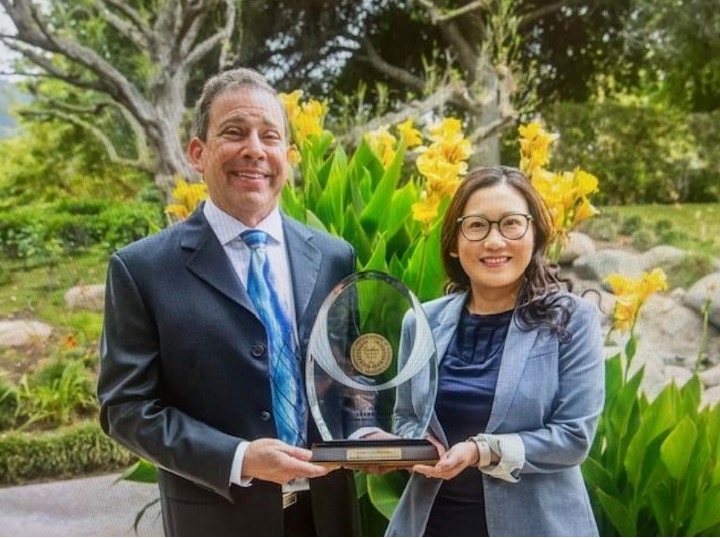
We're proud to partner with Wendy Wert, an Environmental Engineer for the Los Angeles County Sanitation Department (LACSD). Wert has spent more than 19 years at LACSD and also serves as President of the American Academy of Environmental Engineers and Scientists. Join us as we explore her passion for the industry, women in wastewater, and our new partnership.
Tell us about your work.
My studies opened doors to teaching and collaborating with others, and that's where I developed a passion for communicating math and science clearly to diverse audiences. Today I apply that knowledge to outreach and education programs that show how the Sanitation Districts identify community needs and then use engineering and scientific principles to help meet them.
How has being a woman in wastewater challenged you?
Our profession is incredibly demanding. As we work together to turn waste into resources, there are starts and stops and countless obstacles to overcome. The environmental issues of our time are so complex that we need experts with diverse backgrounds and skills to help solve them. So if you take nothing else from this conversation, know that no matter who you are or where you come from, you have something valuable to contribute to this profession. Many of the best ideas I've seen put into practice have come from students, operators, and members of the public. Staying open to others' contributions leads to success.
How has the field changed since you began your career?
In the past, success was defined by technical competency, efficiency, honesty, and fairness. We still need those skills, but now we must also support environmental professionals as we add to them.
The makeup of the staff has changed a great deal since I entered the profession. There are many more women employees today, especially in operations and engineering. I've always believed our field offers great opportunities regardless of gender, and I'm grateful for the ones I've had.
Which women in the industry do you look up to?
I've been fortunate to have female role models and mentors throughout my career. As an undergraduate, I had the chance to complete a senior design project with the University of Central Florida Dean of Engineering, Debra Reinhart, Ph.D., P.E., BCEE. Debbie encouraged us to engage with professional organizations as a resource for our project. I joined the American Academy of Environmental Engineers and Scientists as a student member in 1997 and quickly saw how much a network of peers matters for meeting the challenges of our complex field. We've remained colleagues and friends throughout my career.
When I came to California, I joined the Sanitation Districts because of its commitment to public service, and I'm proud to work in public service. At the Districts I met another role model, Grace Robinson Hyde, P.E., BCEE, our first female Chief Engineer and General Manager. Watching Grace taught me to lead through trust, respect, and fairness. Trust, because as professionals we depend on each other to accomplish our mission. Respect, because everyone deserves to be treated with respect. And fairness, because everybody knows right? We may not like a decision, but if we know it was made in an even-handed way, we'll accept it and move on.
Today I'm inspired by our Assistant Chief Engineer and Assistant General Manager, Martha Tremblay, who is committed to growing, connecting, and diversifying the environmental profession. She doesn't just support our outreach and education programs—she works tirelessly to do even more. Martha is passionate about welcoming children from the communities we serve into the profession. I'm honored to serve alongside a leader who collaborates with schools and community groups to help create pathways into our field!
Are there young trailblazers you're proud to see emerging?
Yes—I'm excited to see so many brilliant people entering our field. We work hard to grow both the profession and its professionals, and I've had the privilege of working with many of them.
One of my colleagues, Warisa Niizawa, works tirelessly to help our agency achieve carbon neutrality. From Warisa, I have been inspired to never let anything stand in the way of our mission. She is brilliant, energetic, and kind. Warisa shares information and works not only toward operational excellence but also takes the time to recognize the contributions of every team member.
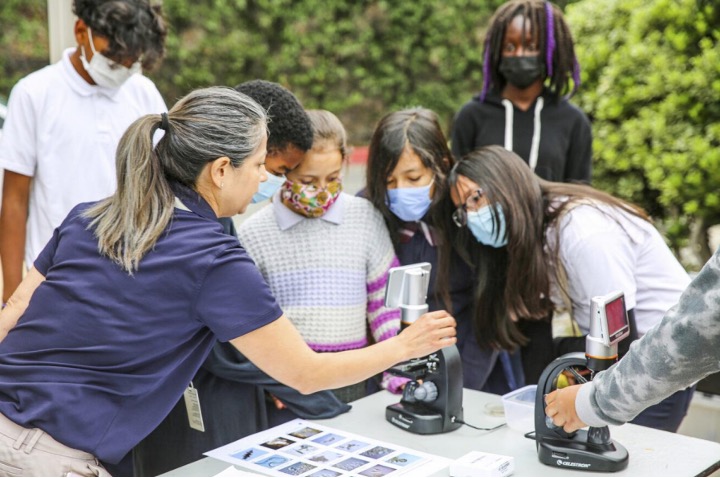
Another colleague, Belle Lynch, is so dedicated to providing quality science education to all students that she turned an in-class laboratory into a virtual format so we wouldn't have to suspend our education programs during the pandemic. Belle also developed innovative outdoor workstations so students could safely learn laboratory procedures. She works tirelessly to protect public health, routinely conducting thousands of analyses and sharing her high-quality data to help keep all of us safe.
What matters most in your relationship with the Responsible Flushing Alliance (RFA)?
The Sanitation Districts were created in 1923 to build, operate, and maintain facilities that collect and treat domestic and industrial wastewater (sewage). Our team of engineers, scientists, technicians, and operators works around the clock to keep service constant for the community. Our hope is that RFA encourages positive behavior in the community that helps protect the regional wastewater collection system.
What are you looking forward to in working with RFA?
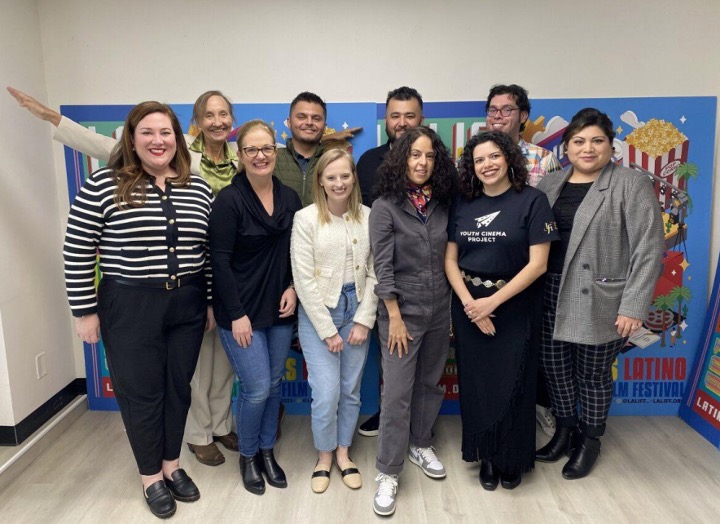
What I look forward to most is the potential—through the Youth Cinema Project's presence in Title 1 schools—to help create pathways that grow, connect, and diversify the environmental profession.
I have great faith in the personal investment we've all made in the environmental profession over our careers, because that level of commitment builds resilience. Thanks to that resilience, despite the challenges of recent years, I remain very optimistic about the future. The world has changed since I began working; the Sanitation Districts has changed accordingly and will need to keep changing. But I believe it's essential never to lose sight of our mission and the people we serve.
About the Responsible Flushing Alliance
The Responsible Flushing Alliance (RFA) is a 501(c)(6) nonprofit organization focused on consumer education about what not to flush. RFA aims to change consumer behavior to help reduce damage to our nation's sewage systems caused by items and materials that were never designed to be flushed.